

July 10, 2025 — Here at Morris Animal Foundation, we’ve been committed to helping animals of all shapes and sizes for more than 75 years – including often-overlooked creatures like amphibians and reptiles.
We know that frogs, toads, salamanders, newts and lesser-known, worm-like caecilians are dying off around the world at an unprecedented rate. According to the U.S. Geological Survey, amphibian populations are declining at a rate of about 3.5% per year in the United States alone, with more severe declines in certain regions, including the West Coast and Rocky Mountain regions.
Charismatic sea turtles are under near constant assault from climate change, pollution, and And previously stable reptile populations are now in decline due to the emergence of new diseases and habitat destruction.
For more than 30 years, Morris Animal Foundation has funded amphibian and reptile health studies to help save these unique animals in the United States and around the world through health and conservation research.
Why Amphibian and Reptile Conservation Matters
Because amphibians and reptiles are found in many diverse habitats – from ponds and marshes to forests, meadows and even deserts – and on every continent except Antarctica, their loss is a global crisis.
Amphibians are a prey species for many other animals. They’re also predators of insects and some small animals, and their rapid decline and extinctions spell trouble for habitat health. When amphibians die off, the entire ecosystem suffers rippling effects and changes. Food chains are disrupted. Prey species that rely on amphibians as a food source may decline. Animals that amphibians eat, including mosquitoes and other animal vectors of disease, may increase. Water algae that tadpoles help keep in check may run rampant.
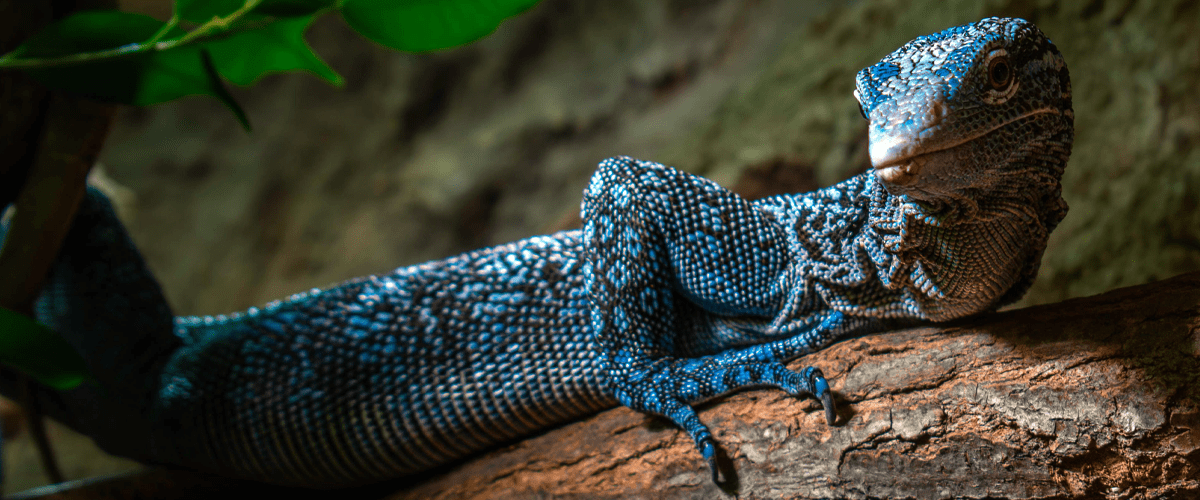
Although many people might shudder when they think of reptiles, these amazing animals also are vital to maintaining biodiversity and balanced ecosystems around the world. They play crucial roles as predator, prey, or both, in many diverse habitats. Some species keep destructive insects and rodents in check, others are pollinators, while others are efficient scavengers.
Threats Facing Amphibians and Reptiles
The reasons for the amphibian and declines are complex. Amphibians are extremely sensitive to changes in their habitats because their skin is an important organ of respiration. Even small amounts of pesticides, pollutants, ultraviolet radiation and temperature changes can have a big impact on amphibian health. For coastal amphibians, rising sea levels add another layer of complexity with increasing salinity, forever changing the water systems amphibians need to live and breed. Habitat destruction and poaching/illegal trade also are concerns.
Fungal infections are a new and growing threat to both species. Most people have heard about chytrid fungus in amphibians but might not know that fungal infections are on the rise in reptiles, too.
Our Response: Research and Recovery
Breed and Release Programs for Amphibians
Amphibian populations worldwide are declining at an unprecedented rate, and captive breeding programs are essential for preventing extinctions. Many toad, frog and other amphibian species have been propagated in captivity, but obstacles, including the release of eggs by females in the absence of a male and the loss of valuable genes when animals die, need to be solved.
In the last 25 years, concentrated funding to support the development of assisted breeding techniques, including in-vitro fertilization using frozen-thawed sperm, have helped resolve reproductive challenges for many vulnerable amphibian species. This new information has been shared with conservation groups, and successful releases of endangered amphibians into the wild are helping dwindling and threatened populations recover. Gene banking initiatives also are helping preserve the genetic diversity of many threatened amphibian species to aid long-term conservation efforts.
Tackling a Deadly Fungus in Amphibians
Today, more than 500 amphibian species are threatened and in decline because of the continuing spread and persistence of the deadly fungus Batrachochytrium dendrobatidis (Bd), and its cousin Batrachochytrium salamandrivorans (Bsal). Both are devastating amphibian populations around the world and have contributed to the extinction of about 90 known species.
Our work on these deadly fungal diseases began more than two decades ago, shortly after the first Bd cases were reported in wild frogs. We’ve been working with researchers to find new ways to combat the fungus, from rapid diagnostic tests to environmentally safe treatments.
Genetic Tools
A new area of focus for the Foundation is supporting cutting-edge genomics studies. Genomics is a new and rapidly evolving branch of science that involves the study of all the genes in an organism and the relationship of these genes to each other, including influence on growth and development, as well as health and/or disease.
Snake Disease
One of our first funded reptile studies in the 1990s looked at a highly infectious stomach and small intestinal parasitic disease, cryptosporidiosis, in snakes. Our researchers developed early protocols for prevention of pathogen spread to other animals, therapeutic treatments and diagnostic tools. The study provided much-needed care resources for veterinarians and reptile owners to help prevent and manage the disease in infected snakes when few resources were available.
Another key area of Foundation-funded research has focused on a neurological disease called inclusion body disease (IBD) that affects boid snakes, including captive boas and pythons. Our funded researchers developed more accurate IBD testing that could be used to help keep boid snakes disease-free. Conservation managers also use these new tools to screen snakes intended for release as part of reintroduction programs.
In ongoing research, investigators are studying an emerging disease called ophidiomycosis, a fungal skin infection in free-ranging snakes living in the eastern United States. Our researchers are working to better understand the prevalence of and factors contributing to this deadly disease and hope to use their findings to help inform snake disease and conservation strategies.
Turtle Health
The Foundation supports health studies for both sea and freshwater turtles, especially species listed as vulnerable or endangered.
For sea turtles, a key focus area of our research is improving care and rehabilitation of rescued animals. One successful study showed that an intravenous solution used for drug overdoses in people helped sea turtles recover quickly from toxic red tide exposure. Red tides are harmful blooms of algae that discolor coastal waters and occur almost annually in the Gulf of Mexico. They produce potent neurotoxins, called brevetoxins, that affect the nervous system in marine animals. This leads to mass strandings, and even deaths, among many species, including sea turtles.
Another serious health issue for sea turtles is cold-stunning stranding; when ocean temperatures drop suddenly, turtles have difficulty regulating their temperature and become weak and inactive. Our funded researchers improved transport methods to reduce stress of stranded animals from the beach to rehabilitation facilities and back to release. In ongoing studies, researchers are looking at how hormones relate to physical health of rescued turtles. Overall, the goal of these studies is to help more stranded sea turtles recover so they can return to the wild.
Another devastating disease in sea turtles is fibropapillomatosis, characterized by wart-like tumors on the skin, eyes, mouth and other organs. These tumors often expand to the point at which they seriously compromise vision, feeding and movement of turtles. Our funded researchers helped characterize the disease and identified a herpesvirus associated with tumor growth.
For freshwater turtles, our funded researchers recently identified a fungus responsible for an emerging turtle shell disease and a way to rapidly detect infections. Researchers already are using these findings to aid current conservation and reintroduction efforts of endangered western pond turtles and for improving health of turtles in managed care.
Latest Research Highlights
In March 2025, a panel of experts from around the world evaluated more than 30 studies focused on reptile and amphibian health.
The recipients and their research topics include:
These exciting projects are scheduled to begin in summer or early fall 2025 and will advance the health of amphibians and reptiles globally as well as in North America.
So Many Species Need Our Help
More than 8,000 reptile species share our planet. We have seen through our funded research that finding ways to keep one species healthy often has a ripple effect of helping many related species. Other reptile species that have benefited from our work include American alligators, broad-snouted caimans, green iguanas, eastern box turtles, Sulawesi tortoise, Galapagos giant tortoise, various species of chameleons and so many more.
You can make a difference for animals around the world! Please make a gift today to help reptiles everywhere thrive and survive.