

Updated November 6, 2025 – The holidays are full of good food, glowing lights, and happy pets underfoot. But some of our favorite festive treats can make animals sick – or worse. Knowing what’s safe (and what’s not) can help keep the season joyful for everyone.
If your pet may have eaten something harmful, contact your veterinarian or the Pet Poison Helpline (855-764-7661) right away. Quick action can make all the difference.
From chocolate to grapes, a few common holiday ingredients can cause serious health issues for pets. Here’s a list of foods and other household hazards to keep out of reach this season—so you can focus on safe, happy celebrations with your four-legged family members.
CHOCOLATE
Chocolate remains the top cause of holiday pet poisoning. Theobromine and caffeine – especially concentrated in dark chocolate, cacao, and cocoa powder – can cause vomiting, tremors, and heart problems. Be especially cautious around chocolate-covered espresso beans and holiday desserts. If your pet eats chocolate, contact your veterinarian or the Pet Poison Helpline (855-764-7661) immediately.
MACADAMIA NUTS
Even small amounts of macadamia nuts can make pets sick. Dogs may experience weakness, vomiting, and tremors within hours of ingestion. The exact toxin is unknown, but the risk is clear – keep nut mixes and cookies containing macadamias safely stored away.
ONIONS, GARLIC AND RELATED VEGETABLES
Allium vegetables such as onions, garlic, chives, and leeks are toxic to pets, whether raw, cooked, powdered, or dehydrated. Garlic is roughly five times more potent than onions. Symptoms may appear hours later and include vomiting, diarrhea, and pale gums.
BREAD DOUGH/ALCOHOL
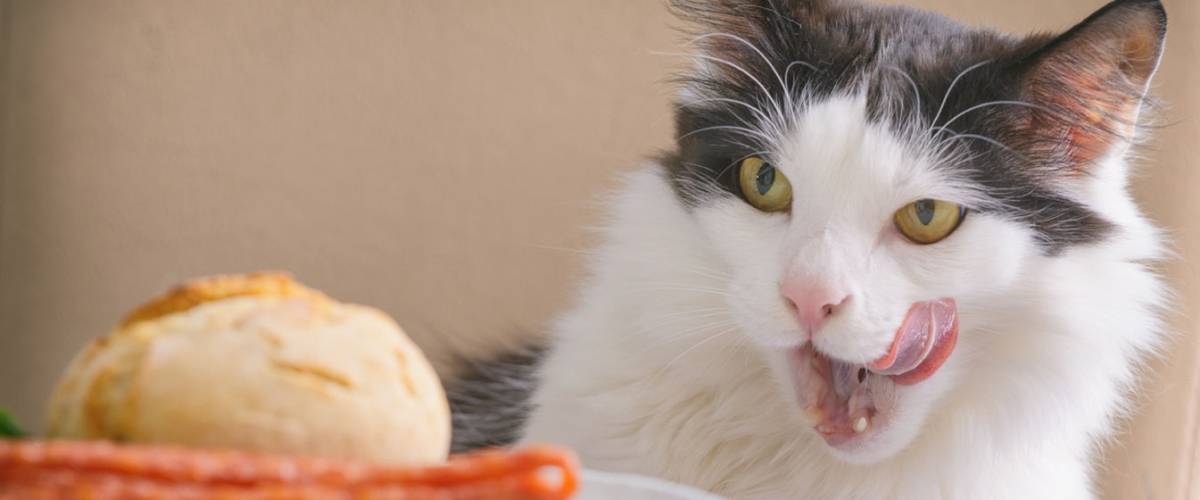
Rising bread dough produces ethanol and carbon dioxide, which can cause alcohol poisoning and painful stomach distention in pets. Keep unbaked dough out of reach during your holiday baking sessions.
And it goes without saying that any beverage containing even small amounts of alcohol should never be given to pets.
GRAPES AND RAISINS
Even a few grapes or raisins can cause kidney failure in dogs and possibly cats. These fruits often show up in holiday foods like stuffing, baked goods, and fruitcakes. Keep them – and any dishes containing them – off your pet’s menu.
CREAM OF TARTAR
Found in some meringues, baked goods, and homemade playdough, cream of tartar contains potassium bitartrate, which can be harmful to pets. Ingestion may lead to vomiting, weakness, or kidney issues. Contact your veterinarian or the Pet Poison Helpline (855-764-7661) if your pet eats anything containing cream of tartar.
HIGH-FAT FOODS
Greasy leftovers like gravy, turkey skin, and butter may not be toxic but can trigger pancreatitis – a painful, sometimes life-threatening inflammation of the pancreas. Avoid sharing these foods and promptly discard table scraps.
XYLITOL AND OTHER HIDDEN DANGERS
Xylitol, a common sugar substitute in gum, mints, peanut butter, and baked goods, can cause a dangerous drop in blood sugar and liver failure in pets. Also keep purses, backpacks, and medications – including hand sanitizers and pain relievers – out of reach.
SALTY FOOD AND SEASONINGS
Too much salt can cause vomiting, tremors, or even seizures in pets. Keep chips, cured meats, and heavily seasoned foods out of reach. Although salt was once used to make pets vomit after ingesting toxins, it is no longer considered safe and should never be used to induce vomiting.
CELEBRATE SAFELY
The holidays are a time for joy and togetherness. By keeping harmful foods and substances away from your pets, you can ensure they stay healthy, happy, and by your side for many holidays to come.
If you ever suspect your pet has ingested a harmful substance, don’t wait – contact your veterinarian or the Pet Poison Helpline (855-764-7661). Trained experts are available 24/7 to provide guidance and support in an emergency.
Wishing you a safe and joyful season from everyone at Morris Animal Foundation.