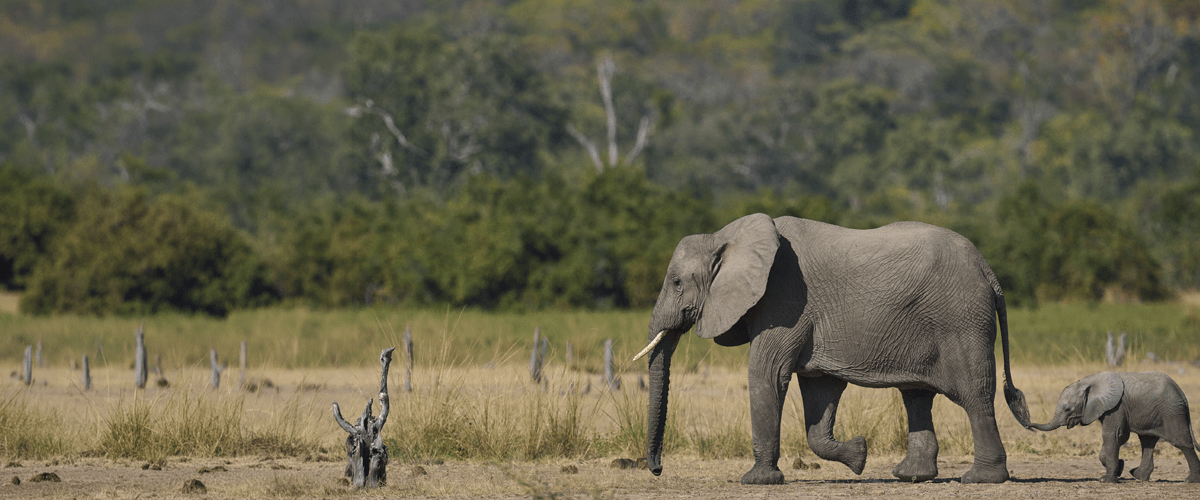

April 16, 2026 — When an elephant becomes sick, the questions caretakers ask aren’t so different from those any pet owner would ask. What happened? Can it be treated? Is there still time?
Each year on April 16 — Save the Elephant Day, people around the world pause to celebrate elephants for their intelligence, their memory, and their deep social bonds. And for many, that celebration leads to a harder question:
What are scientists actually doing to protect elephants?
Protecting elephants starts with understanding what puts their health at risk — and how to respond before it’s too late.
Why Do Elephants Need Dedicated Health Protection?
Elephants form lifelong bonds. They grieve. They remember. They depend on one another.
Those same traits that make elephants remarkable also make them vulnerable when health problems arise.
Elephants face a unique combination of challenges:
Unlike more common species, elephants don’t benefit from decades of standardized medical knowledge. When illness appears, veterinarians and conservation teams often have limited evidence to guide decisions.
That gap is where long‑term work begins.
What Has Been Learned About Elephant Health So Far?
Over the past decade, Morris Animal Foundation donors have supported a wide body of work focused on elephant health — each study building practical knowledge to improve care and outcomes.
This work has helped:
Why Are Viral Diseases Such a Serious Threat to Young Elephants?
Some of the most urgent threats to elephant health come from viruses that rapidly cause internal damage before symptoms become apparent.
Hemorrhagic diseases linked to elephant herpesviruses are especially dangerous in calves and juveniles, often progressing too quickly for existing treatments to succeed.
Understanding how these diseases develop — and how elephants’ bodies respond — has been a long‑standing priority.
That work continues today.
What Is the Current Focus of Elephant Health Work?
One of the most recent efforts supported by Morris Animal Foundation is a Fellowship Training grant dedicated to improving understanding of a deadly hemorrhagic disease in elephants.
This work builds directly on years of prior knowledge — genetic studies, immune system research, and diagnostic development — while also investing in a scientist whose career will focus on protecting animals for decades to come.
Why Does Elephant Health Matter More Broadly?
Elephants don’t exist in isolation — and neither does their health.
What affects elephants often reflects larger patterns:
By helping protect elephants, this work strengthens understanding that benefits mammals of many kinds, in many places.
The Growing Need to Act
In early 2026, Morris Animal Foundation received a record number of submissions for its mammal health funding opportunities — a clear signal that researchers are seeing growing, urgent needs across species.
From emerging diseases to environmental pressures, the challenges facing mammals are accelerating. So is the demand for work that can lead to better outcomes.
How You’re Part of the Story This Save the Elephant Day (and Every Day!)
Every step forward in elephant health exists because people decided their lives were worth protecting.
Donations don't just move projects forward — they help ensure that when an elephant calf falls ill, when a herd faces new threats, or when caretakers need better answers, progress is already underway.
This Save the Elephant Day, awareness is only the beginning. What comes next is making sure the work can continue — for elephants, and for the countless animals who depend on the same kind of care and commitment.