
July 24, 2025 – As wildfire seasons grow longer and more intense around the globe, more animals – including our household pets – are exposed to dangerous pollutants in the air. While human health impacts often dominate the headlines, it’s easy to forget that animals also suffer consequences from smoke exposure.
Wildfire Smoke and Pets: What We Know So Far
More dogs than ever before are breathing in harmful particulate matter and volatile organic compounds (VOCs). Unfortunately, there’s little to no comprehensive data on how wildfire smoke impacts dog health outcomes over time.
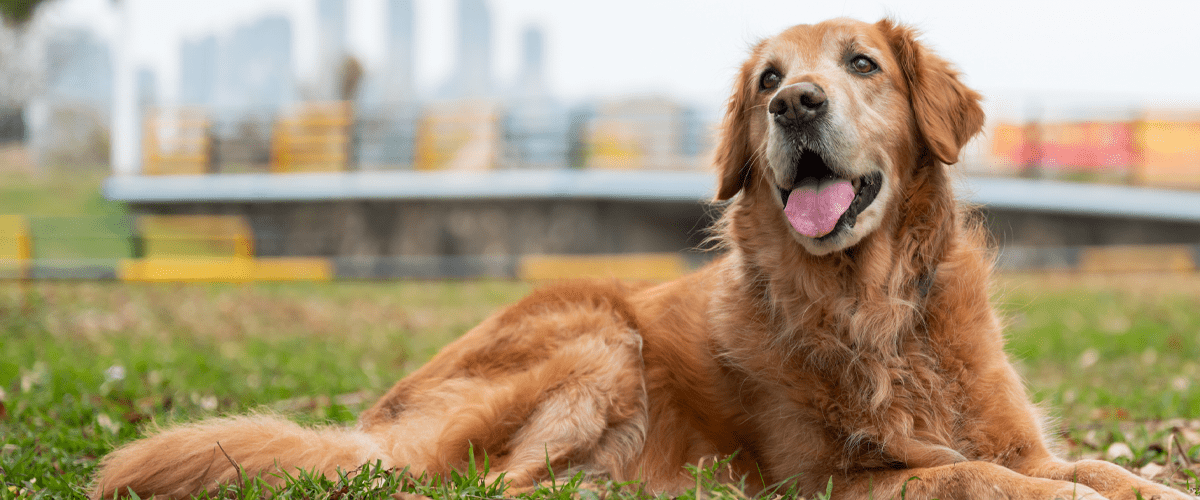
That’s why a new study, using data from the Golden Retriever Lifetime Study, aims to explore the long-term effects of wildfire smoke on dog longevity.
What’s in Wildfire Smoke?
Wildfire smoke is a complex mixture of carbon monoxide, carbon dioxide, methane, VOCs and particulate matter (PM). The smallest of these particles can penetrate deep into the lungs and even enter the bloodstream.
These pollutants come not just from burning vegetation but also from homes, cars, and industrial materials consumed by flames. When inhaled, these particles can irritate the respiratory tract, trigger inflammation, and worsen existing health problems.
While smoke inhalation’s immediate effect on animals is better understood, research is still catching up on its long-term consequences, particularly in pets like dogs and cats.
Foundation-Funded Research Explores the Dangers of Wildfire Smoke Exposure
Two studies underway at Colorado State University are diving into this issue.
The Bigger Picture: Animal Health and Wildfire Air Quality
As research continues, we may see updated guidelines to better protect animals, especially those outdoors or with preexisting conditions, during wildfire events.
For now, staying informed and minimizing outdoor activity during poor air quality days is the best way to safeguard your pets.
Science to Save Animals Starts with YOU!
Innovative animal health research takes vision as well as financial investment. That’s why Morris Animal Foundation, with the generous support of our donors, continues to fund this important work to change the odds for animals suffering from diseases and painful health conditions. DONATE TODAY and support critical science to save the animals you love!